
Original capsules combining text and music
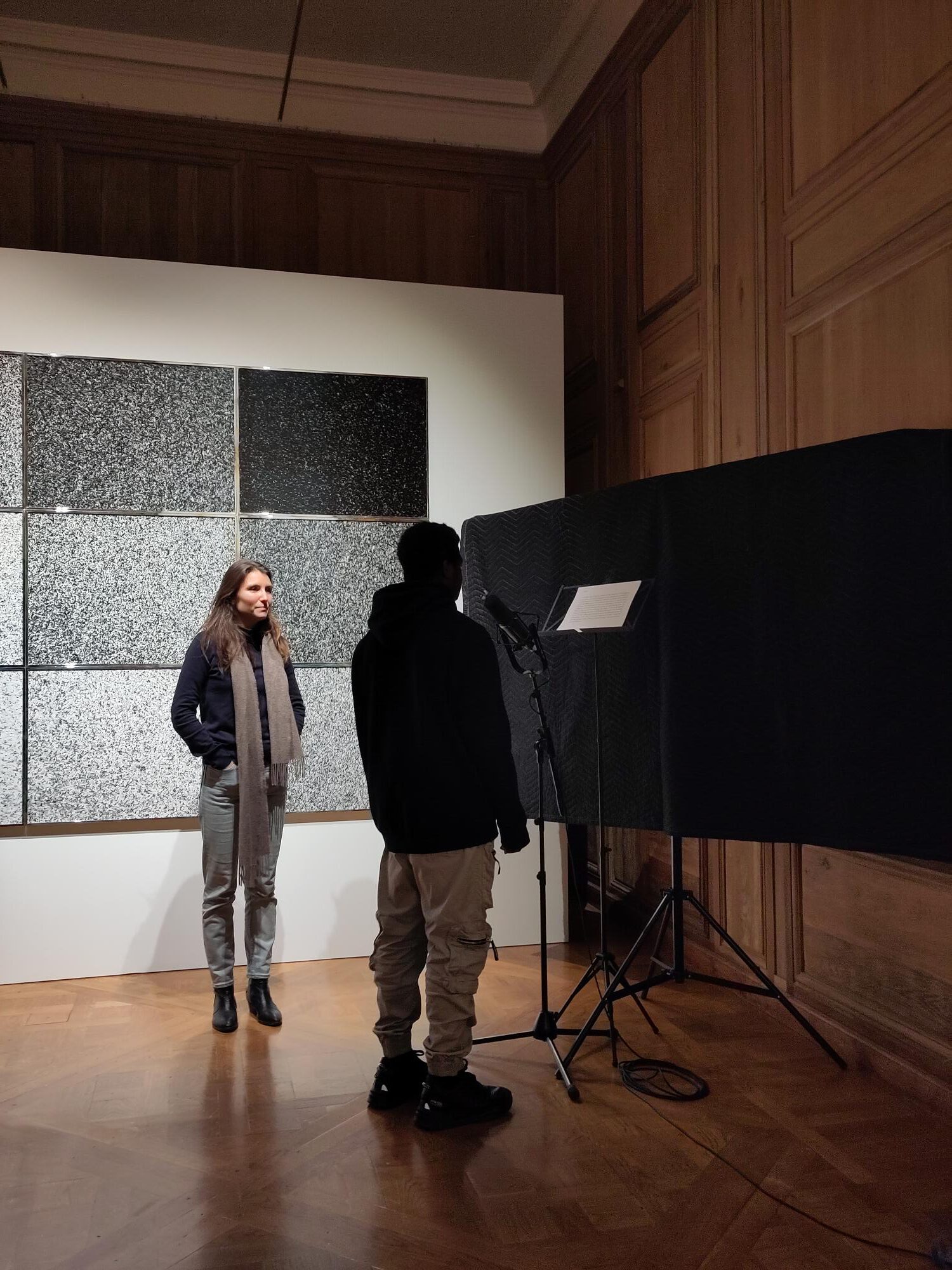
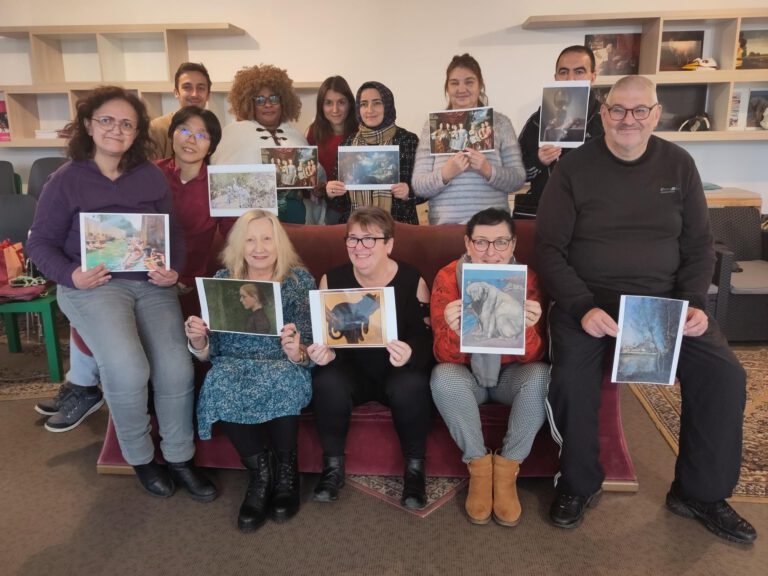
Following the success of the 10 capsules around its permanent collection, the Museum of Art and History of Judaism wished to repeat the project with new works—contemporary this time—new readers—with a few loyal “regulars” among the staff—and… a little something different. For this iteration, we therefore imagined adding a musical dimension, like an additional reading of the works. This time, it was the students of the Microlycée de Paris who took part in a series of 8 workshops at the mahJ. Five composers from the Conservatoire national supérieur de musique et de danse de Paris took on the challenge and created soundscapes for each of the 10 works selected by the museum. A tour with the museum’s lecturers first enabled the students and composers to become familiar with the works, including those by Marc Chagall, Kader Attia, Sam Ringer and Carole Benzaken. Then, t wo workshops led by an actress helped the readers—students and museum staff together—to work on public speaking and speaking into a microphone, but also and above all to reduce stress and stage fright, to make the reading less intimidating. In trios, mixed groups of students and museum staff then read their text, guided by the sound engineer and the actress. Meanwhile, the composers finalised their 10 compositions. Throughout the project, a small group of visually impaired people enabled the texts to be adjusted for better understanding, and everyone’s feedback during the presentation was commensurate with the work carried out.
Eric, who is visually impaired, shares his opinion:
The result is a fine creation born of the partnership between composers, readers and authors. Hearing the high school student’s voice at the beginning of the clip for The Jewish Painter, I immediately perceived the value of a reader—a non-professional museum mediator. Her perspective and her reading are close to those of the public. There were a few imperfections in reading and diction, which seemed to trouble their teacher, but which we readily accept with respect and simplicity. The music, very rich and elaborate, proved to be highly varied and different, and therefore distinctly tied to the works it accompanies. Having already formed an image of the works and the atmosphere they convey, I sometimes felt in harmony, sometimes at odds with the musical proposal. At other times, I took them in without preconceptions. Now paired with the works, these pieces of music will be inseparable from them.
For a few years now, I have had the experience of improvising music to poetic texts and am familiar with these encounters between sounds, words and images. One can truly rejoice in the original creations made for the MAHJ and in the links now established with the composers.
These ten new capsules, sensitive and captivating, are now available at the museum.
They have also joined our sound art library: L’Œil est la Voix.
This project was carried out with contributions from Laura Pichard, writer; Muriel Michaux, actress; and Léo Blet, sound engineer.